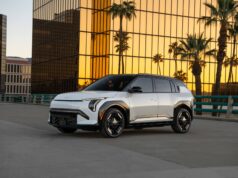



















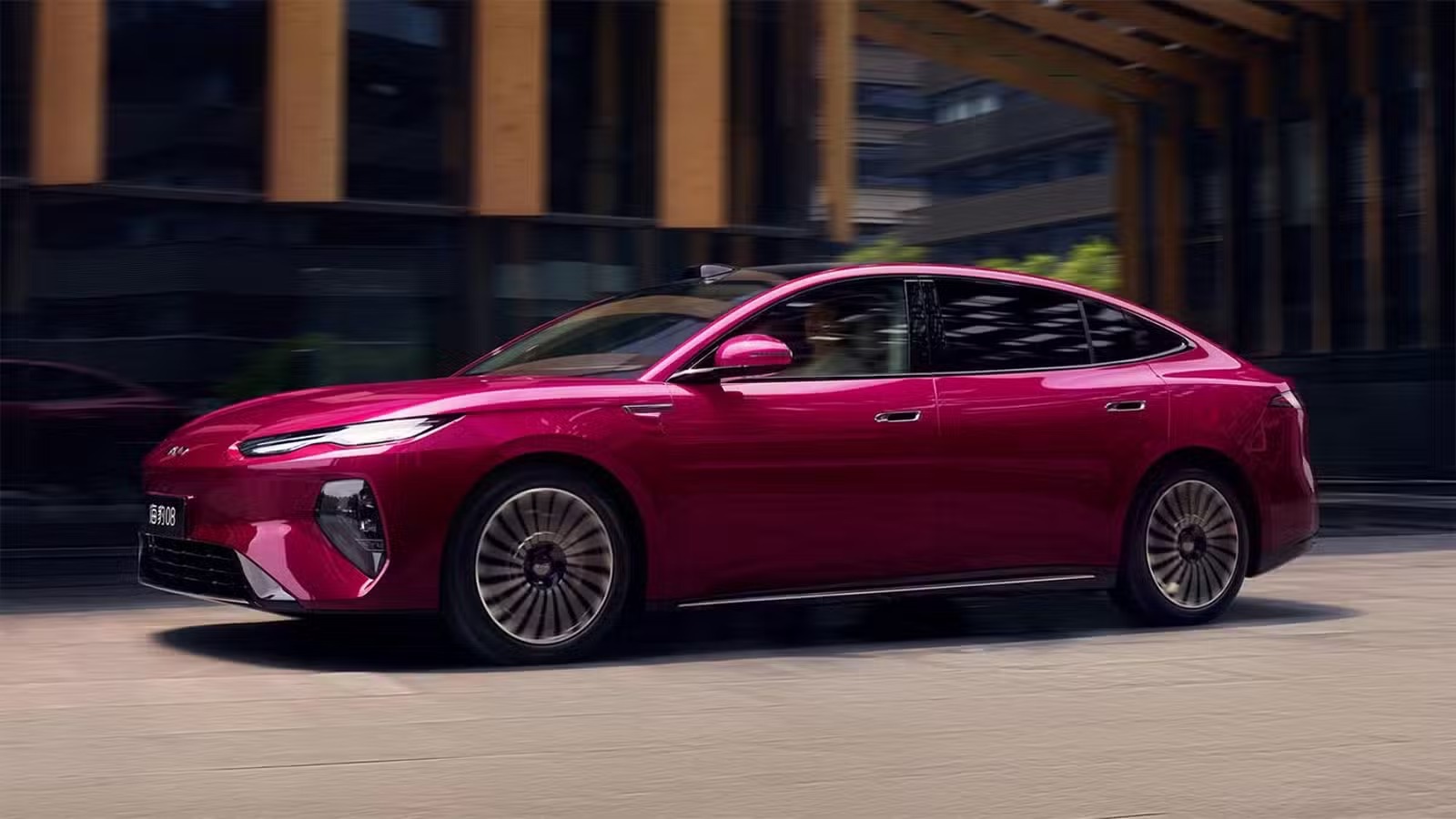
BYD Seal 08 is now on sale in China, and the sticker price explains why this launch matters. BYD’s official Seal 08 DM-i page lists the sedan from 196,900 yuan, or roughly $28,980, while CnEVPost’s launch coverage puts the full six-trim lineup in context. For comparison, a comparable Tesla Model 3 Long Range AWD starts at $42,490 in the US. That gap alone explains the buzz. However, BYD sells no vehicles in America, so the comparison stays purely theoretical for now.
Six Trims Split Across Two Powertrains
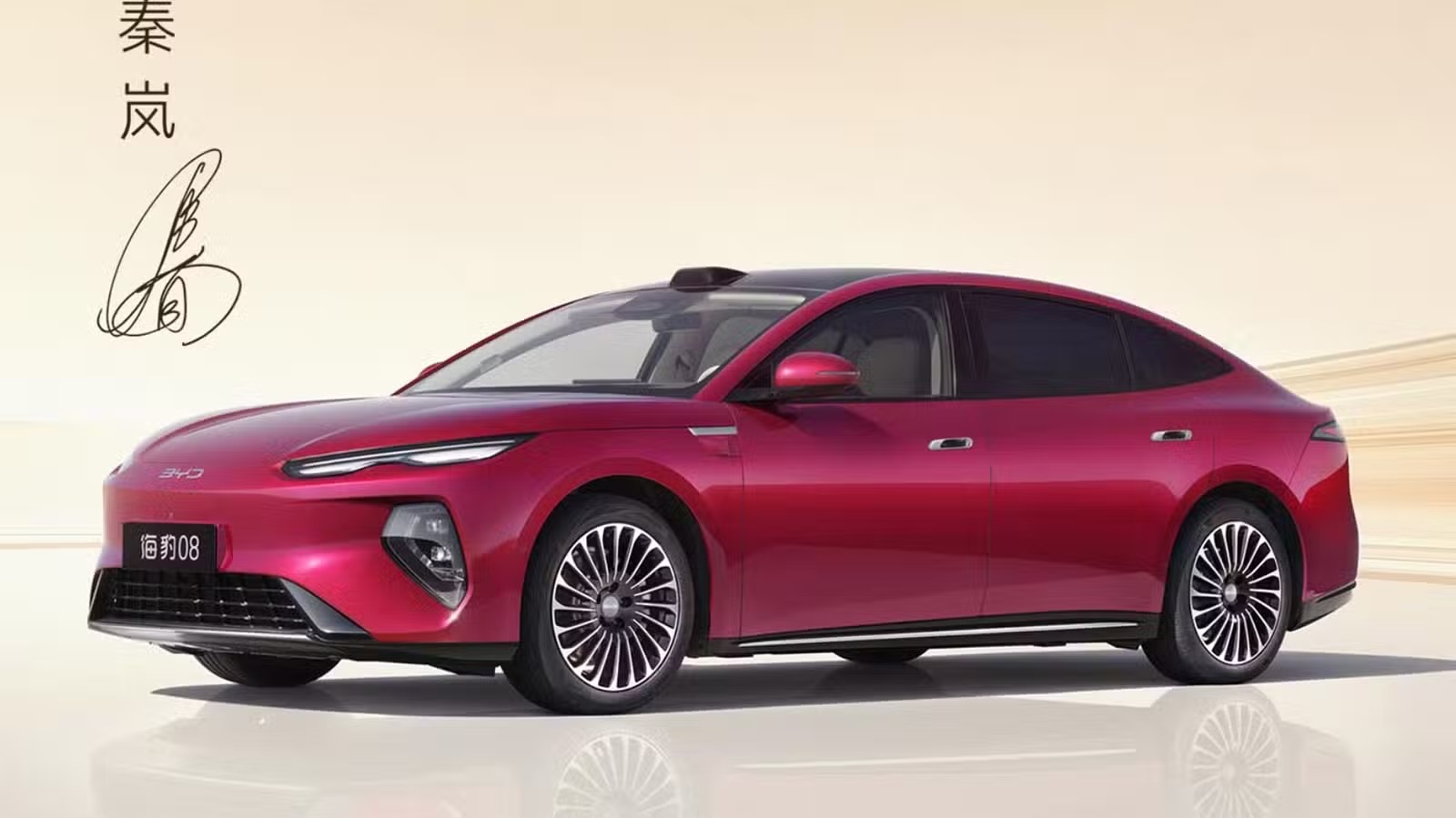
BYD built the Seal 08 around choice rather than a single spec sheet. Buyers can choose either a plug-in hybrid or a pure electric powertrain across six total trims. Notably, the base PHEV starts at 196,900 yuan with 400 km of electric range and 1,660 km combined. Meanwhile, the EV lineup climbs from 775 km up to 905 km of CLTC range on BYD’s second-generation Blade Battery. At the top, the all-wheel-drive EV Flagship trim reaches 239,900 yuan, or about $35,300.
Charging speed matters just as much as range here. Specifically, BYD’s 800V platform lets the EV add 400 km of range in five minutes on a flash charger. Additionally, every trim includes 12 months of free flash charging as a launch perk. For comparison, the AWD PHEV Flagship hits 60 mph in 3.8 seconds, while the quickest EV trim’s 510 kW motor cuts that to 3.3 seconds.
A Cabin That Reads Like a Luxury Sedan
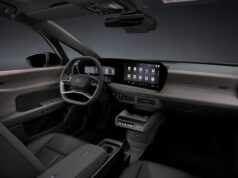
Interior features push well past what the price tag implies. For instance, every seat gets heating, ventilation, and massage functions, and BYD even fits a built-in cabin refrigerator. Furthermore, a 15.6-inch touchscreen, a 12.3-inch driver cluster, and a 26-inch AR head-up display fill the dashboard. Rear-wheel steering and BYD’s DiSus-A air suspension come standard on every trim, too. Consequently, features that usually separate a $60,000 sedan from a $30,000 one show up here as launch-day defaults.
Safety tech keeps pace as well. Every Seal 08 ships with BYD’s God’s Eye B driver-assist system, backed by 11 airbags and a reinforced cage-style body structure. In other words, BYD is not saving its best safety hardware for pricier models.
Why This Deal Stops at the Chinese Border
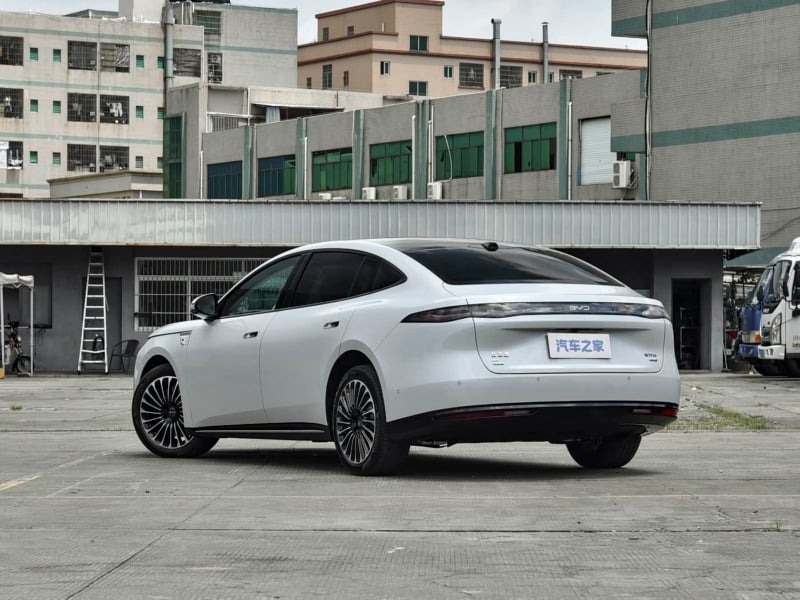
None of this reaches American driveways anytime soon. Indeed, BYD has never established US retail operations, and steep tariffs on Chinese-made EVs keep that door firmly shut. Regulators are actively reinforcing that wall, too. For example, the Commerce Department recently blocked Polestar, a Chinese-owned EV brand, from US sales starting in 2027. That decision shows how far US policy has moved against Chinese-linked automakers, regardless of price or spec-sheet appeal.
BYD, meanwhile, keeps demonstrating this pattern across its whole lineup. Its Da Tang EV’s 10-minute charging claim made the same point just weeks earlier: Chinese automakers are shipping tech and pricing that Western rivals cannot yet match. So the real headline is not whether the Seal 08 beats a Model 3 on paper. Instead, it is how wide that gap has grown in markets US shoppers simply cannot enter.